
Skip to Main Content

Art in Public Places Program: Commissioned Works of Art

Art in Public Places Program: Commissioned Works of Art

The SFCA Art in Public Places Program facilitates the commissioning of works of art for specific state government locations.

About Commissioned Works of Art

Art in Public Places: Commissioned Works of Art

The SFCA Art in Public Places Program facilitates commissioning artists to create works of art for specific state government locations.

These commissions are done with community input through Art Advisory Committees (AACs), with an AAC created for each commission. AACs include various stakeholders. For example, a commission for a public school may include the school Principal, a classroom teacher, and a student.

The Art Advisory Committees select artists, type of artwork, site location (e.g. where on a school the artwork will be installed). Artwork proposals and budgets are also reviewed and approved by the SFCA Board of Commissioners.

Site and project criteria are determined by Department or Agency executive leadership.

Spotlight: Art in Public Places Commissioned Works of Art

Learn more about recent Commissioned Works of Art: SFCA News, Commissioned Works of Art.

Frequently Asked Questions (FAQ): Commissioned Works of Art

I am at a state government site and would like to request a commissioned work of art. Who do I contact? 

For more information about requesting a Commissioned Work of Art, please contact:

Kamakani Konia, SFCA Art in Public Places Program Director
Telephone: 808-586-0736
Email: [email protected]

How long does it take to get a commissioned work of art? 

Commissioned works of art, from first committee meeting to final dedication ceremony, take an average of five years to complete.

What is the cost to the site? 

There is no cost to the site. The artist is paid by the SFCA. Artist payments include cost of materials, fabrication, installation, and professional services. 

How are artists selected?

The Art Advisory Committee for the project will select an artist. Committees are appointed by the executive administration for the site (such as Department Directors or School District Superintendents).

I’m an artist. How can I submit my work for consideration? 

The SFCA posts Request for Qualifications (RFQ) as needed on CallForEntry.org. We recommend creating or updating a free account on CallForEntry.org with a portfolio of your work so that you can be ready to submit when an SFCA RFQ is announced. These calls for artists are announced on the SFCA website, in the SFCA email newsletter, and on SFCA social media accounts.

Please note that artists are contracted as a business and a project manager and will source their own vendors (e.g. engineers, fabricators, foundry), get their own quotes, and oversee creation and installation of the final artwork. Artists work with the Art Advisory Committee to develop the final design. 

I work at a site that has an artwork. It needs to be cleaned or repaired. What do I do? 

Contact the SFCA Art in Public Places Program Conservation Coordinator. Please include your contact information, site information (e.g. building or school), and a brief description of the situation. 

Contact:
Derek Erwin, SFCA APP Conservation Coordinator
Telephone: 808-586-0905
Email: [email protected]

Do state government sites have to work with the SFCA to get an artwork?

No. Sites can display their own artworks, create their own artworks (such as community murals painted on buildings), or commission their own permanent work of art, at their own expense.

I have an idea for a public artwork to honor aliʻi. Who do I share it with?

Contact your state legislator(s). Likenesses or representations of aliʻi require the convening of a special task force and approvals by the state legislature. You can find your legislators and get their contact information at Capitol.Hawaii.gov: Capitol Hawaii – Legislative Information System

Commissioned Works of Art Categories

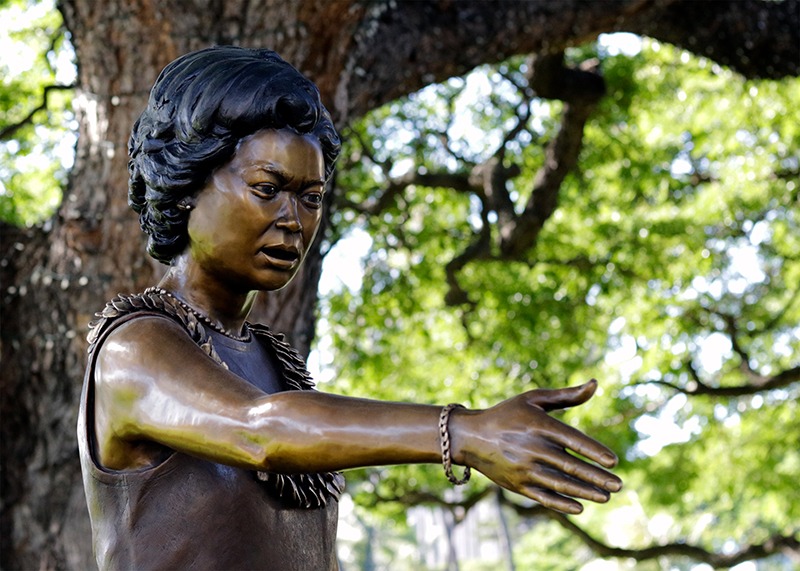
View of the bronze sculpture of Patsy T. Mink from the waist up, showing an outstretched arm.

Commissioned by the Hawaiʻi State Legislature

Memorials, monuments, and historic figures (including aliʻi) are typically created through state legislation. Examples:

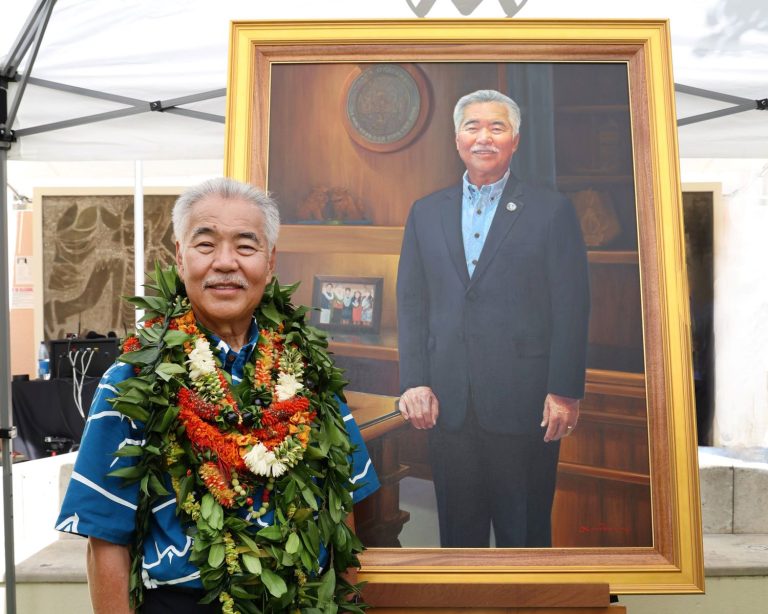
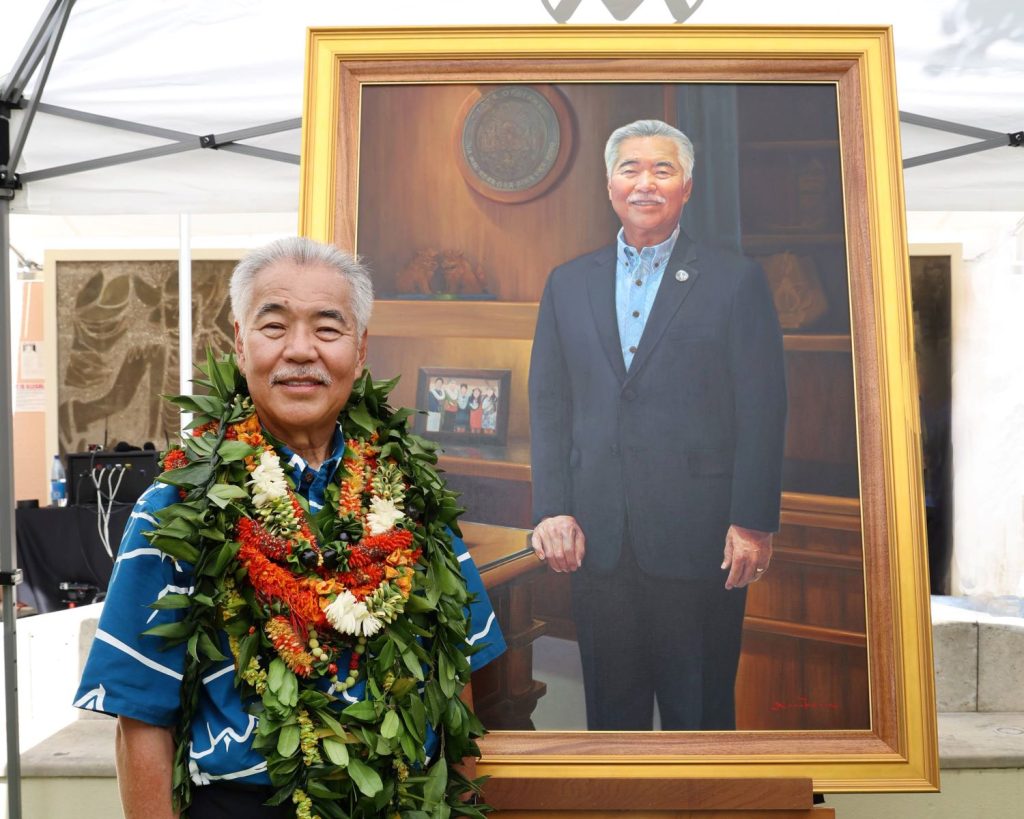
Official portraits of State Governors

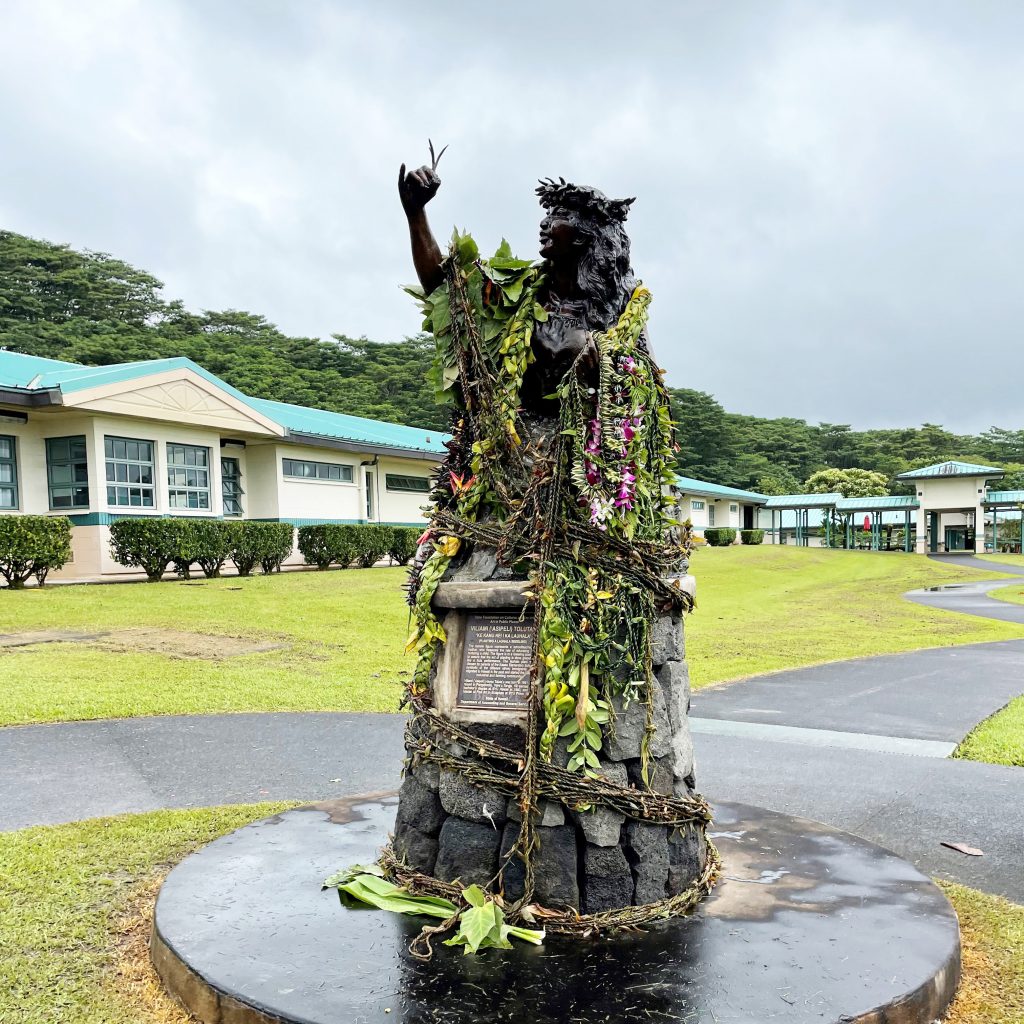
Public and charter schools

The process for CWA at State of Hawaiʻi Dept. of Education public and charter schools includes an Art in Public Places Artist in Residence, engaging students and educators with the creation and dedication of the CWA. 

Artwork in photo: “Ke Kanu Nei I Ka Ulu Hala” at Keaʻau Elementary School (Hawaiʻi Island) by Viliami Tolutaʻu.

Hawaiʻi state government sites

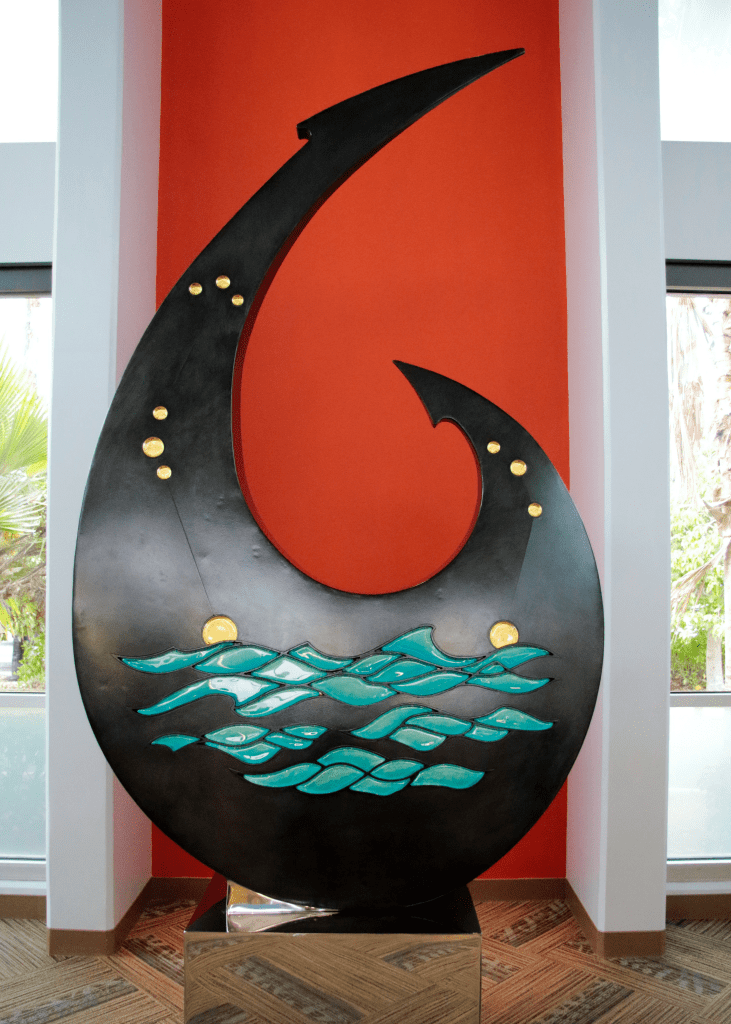
Additional State of Hawaiʻi government sites include libraries, University of Hawaiʻi campuses, airports, and state hospitals.

Artwork in photo: “Mānaiakalani” at Nānākuli Public Library by Scott Norwood Fitzel.

Process

How can a site get a Commissioned Work of Art?

CWA are initiated by executive level leadership for a state government department or agency, such as a Department Director, State Librarian of the Hawaiʻi State Public Library System, or Department of Education District Superintendent.

A formal request on letterhead or via email is sent by the executive level leadership to the SFCA Executive Director. This formal request should include:

  • Location or locations in order of priority (for example, a list of public libraries, in order of priority by highest to lowest).
  • Point of contact for the site. If requesting for more than one site, point of contact for each site.
  • Description of the proposed site(s). For example, public elementary school in a rural Neighbor Island community.
  • Business address for site(s).


An SFCA Art in Public Places Project Manager will follow up with each site for additional information. Following those conversations, the SFCA Art in Public Places Project Manager let the site know that it is time to form an Art Advisory Committee.

Printable PDF about getting a Commissioned Work of Art

How to Request a Commissioned Work of Art (CWA) PDF includes general information about the process, project phases, and contact information. 

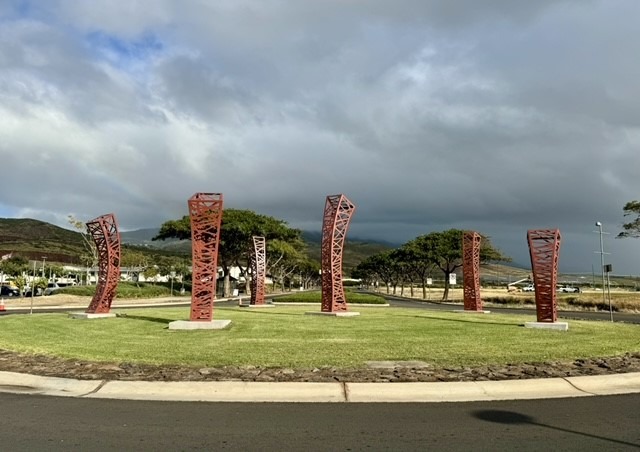
Nā Kiaʻi O Kapolei at UH West Oʻahu